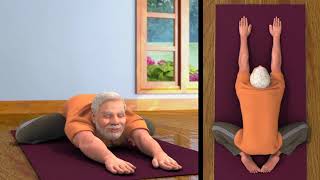
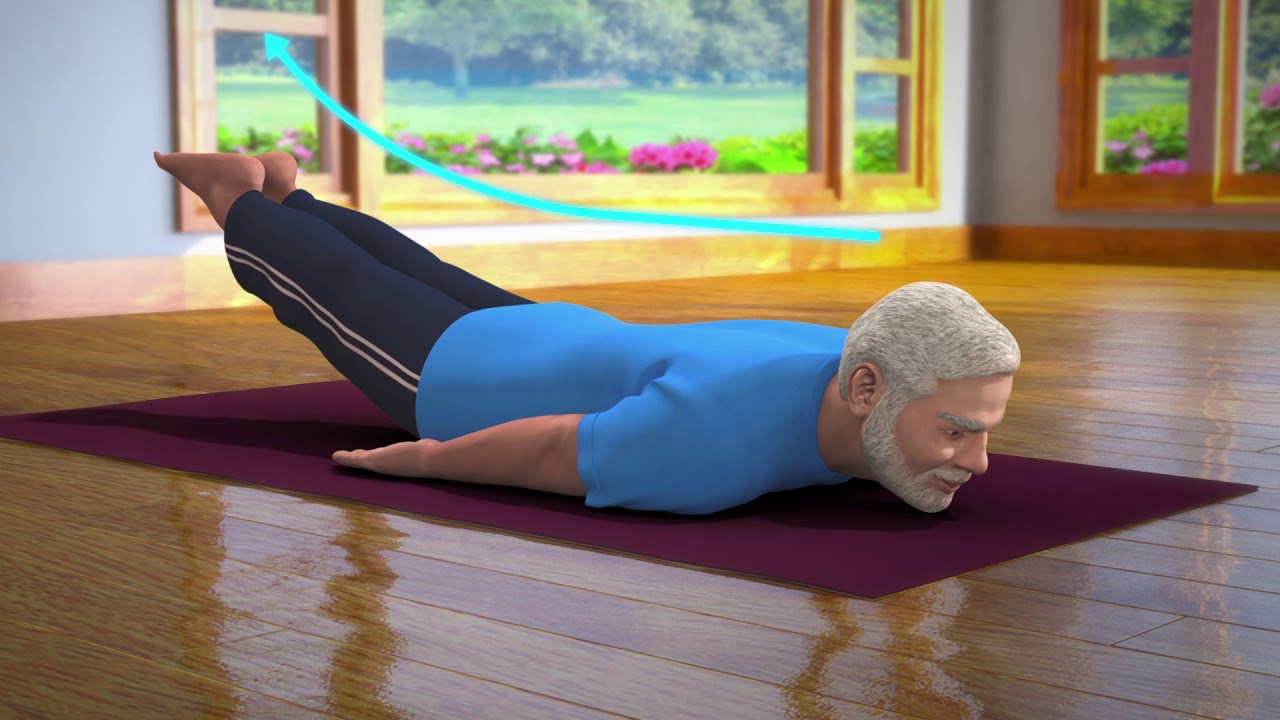
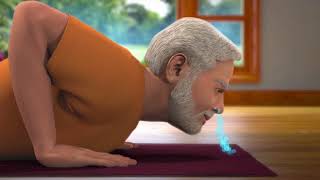
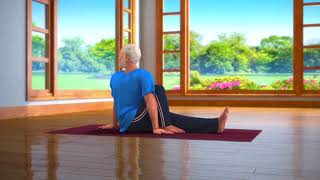
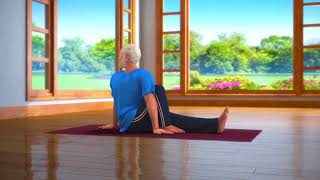
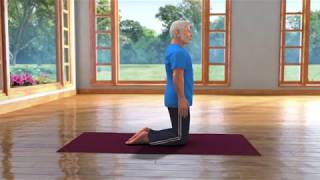
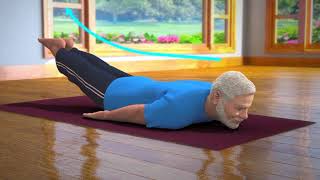
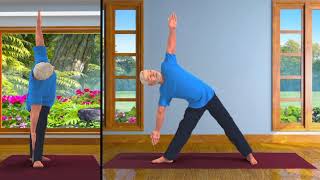
वीरासन
वीरासन जांघों, घुटनों, और टखनों में खिचाव लाता है। रजोनिवृत्ति के लक्षणों को दूर करने में मदद करता है। वीरासन गर्भावस्था के दौरान पैरों की सूजन कम करता है। हाई बीपी और अस्थमा के लिए चिकित्सीय है।
- Read more about वीरासन
- 1 comment
- Log in to post comments
Vrischikasana
Scorpion Pose or Vrischikasana is a challenging inverted back bend pose. It is a pose requiring extreme flexibility, proper warm-up, and enough prior stretching. It should not be attempted by beginners at any cost
Health Benefits
Scorpion Pose gives strength to the shoulders, abdomen, back and legs and stretches the chest, hips and shoulders too. It increases the flexibility of the spine.
- Read more about Vrischikasana
- Log in to post comments
Padangusthasana
The Padangusthasana is an asana of the Ashtanga yoga tradition that is done while standing. The pose is very good for stretching many muscles of the body and ideal for people with flat feet. The name Padangusthasana is derived from the Sanskrit pada which means foot, angustha which means thumb and asana which means pose. It is also known as the big toe pose in English.
- Read more about Padangusthasana
- Log in to post comments
પશ્ચિમોત્તાનાસન
પશ્ચિમોત્તાનાસન : પશ્ચિમ શબ્દનો અર્થ થાય છે પાછાલનો ભાગ. શરીરના પાછળના ભાગને ખેંચવું કે પ્રસારિત કરવું તેને પશ્ચિમોત્તાનાસન કહે છે. આ આસનમાં શરીરના પશ્ચિમ ભાગનું ખેંચાણ થતું હોઈ તથા આ આસનની સિદ્ધિ થતાં પ્રાણ પશ્ચિમવાહી એટલે કે સુષુમ્ણામાં વહન થતો હોઈ આ આસનને પશ્ચિમોત્તાનાસન કહે છે.
પશ્ચિમોત્તાનાસન વિશે યોગના પ્રમાણભૂત ગ્રંથ મનાતા ઘેરંડ સંહિતા અને હઠયોગપ્રદીપિકામાં આ પ્રમાણે ઉલ્લેખ કરવામાં આવ્યો છે.
- Read more about પશ્ચિમોત્તાનાસન
- Log in to post comments
પદ્માસન
પદમાસન, પગને વાળી બેસીને કરવામાં આવતા યોગાસનની સ્થિતી છે, જે મનને શાંત કરીને તેમજ વિવિધ શારીરિક માંદગીઓના દુ:ખને દૂર કરીને ધ્યાન કરવામાં મદદ કરે છે. આ આસન નિયમિત કરવાથી કરનારને કમળ ની જેમ ખીલવામાં મદદ કરે છે. તેથી જ તેનું નામ પદ્માસન છે .
- Read more about પદ્માસન
- 1 comment
- Log in to post comments
Padmasana
Padmasana is described as the basic posture in Yoga. In Kundalini Yoga, this posture is very important during the process of the awakening of Kundalini.
How to do Padmasana?
- Read more about Padmasana
- 1 comment
- Log in to post comments
Virabhadrasana
There are three variations of the Warrior pose. These are named for a famous warrior, Virabhdra. Some people are confused by this because they believe that yogis follow a path of passivism.
They are right in thinking that, but we should also remember that the Bhagavad-Gita was the dialog used by two warriors – Arjuna and Krishna. They were facing off on the battlefield, so the title of the pose is a lot more relevant than you might realize.
- Read more about Virabhadrasana
- Log in to post comments
Vrksasana
Tree pose or Vrksasana originally comes from the Sanskrit words vriksa or vriksha meaning “tree” and asana meaning “pose” or posture. Once you perform your Vrksasana standing in front of a mirror, your body should look like a human tree, beautiful, balanced and strong. This yoga pose will need a bit of focus and patient, and a smile if you lose your balance!
- Read more about Vrksasana
- 1 comment
- Log in to post comments
सिंहासन
सिंहासन करने की विधि-
- सिंहासन करने के लिए सबसे पहले अपने पैरों के पंजों को आपस में मिलाकर उस पर बैठ जाएं।
- फिर दाएं हाथ को दाएं घुटने पर तथा बाएं हाथ को बाएं घुटने पर रखें।
- लंबी सांस लें उसके बाद मुंह द्वारा सांस को छोड़ें।
- अब गर्दन को सामने की ओर झुकाकर ठोड़ी को गले के नीचे लगाएं।
- यदि आपके गर्दन में दर्द हो तो बिना गर्दन झुकाए भी कर सकते हैं।
- सांस लेने और छा़ेडने की क्रिया को दो से पांच बार करें।
- दोनों भौहों के बीच में देखें। इसके बाद अपने मुंह को खोलें और जीभ को बाहर निकालें।
- Read more about सिंहासन
- Log in to post comments
Simhasana
Simhasana (Sanskrit: सिंहासन; IAST: Siṁhāsana) or Lion Pose[1] is an asana in hatha yoga and modern yoga as exercise.
Etymology and origins
"Narasimhasana" from an illustrated manuscript of the Joga Pradipika, 1830
The name comes from the Sanskrit words simha (सिंह), meaning "lion", and āsana (आसन), meaning "posture" or "seat". The pose has also been named Narasimhasana, as in the 19th century Joga Pradipika, from Sanskrit नरसिंह Narasimha, a lion-man avatar of the god Vishnu. The posture is described in the tenth century Vimānārcanākalpa.
- Read more about Simhasana
- Log in to post comments
“योग विज्ञान है” – ओशो
योग विज्ञान है, विश्वास नहीं। योग की अनुभूति के लिए किसी तरह की श्रद्धा आवश्यक नहीं है। योग का इस्लाम, हिंदू, जैन या ईसाई से कोई संबंध नहीं है।
जिन्हें हम धर्म कहते हैं वे विश्वासों के साथी हैं। योग विश्वासों का नहीं है, जीवन सत्य की दिशा में किए गए वैज्ञानिक प्रयोगों की सूत्रवत प्रणाली है। इसलिए पहली बात मैं आपसे कहना चाहूंगा वह यह कि योग विज्ञान है, विश्वास नहीं। योग की अनुभूति के लिए किसी तरह की श्रद्धा आवश्यक नहीं है। योग के प्रयोग के लिए किसी तरह के अंधेपन की कोई जरूरत नहीं है।
नास्तिक भी योग के प्रयोग में उसी तरह प्रवेश पा सकता है जैसे आस्तिक। योग नास्तिक-आस्तिक की भी चिंता नहीं करता है। विज्ञान आपकी धारणाओं पर निर्भर नहीं होता; विपरीत, विज्ञान के कारण आपको अपनी धारणाएं परिवर्तित करनी पड़ती हैं। कोई विज्ञान आपसे किसी प्रकार के बिलीफ, किसी तरह की मान्यता की अपेक्षा नहीं करता है। विज्ञान सिर्फ प्रयोग की, एक्सपेरिमेंट की अपेक्षा करता है।